Mathematics – United States – Common Core State Standards
2.OA – Operations & Algebraic Thinking
Mathematics
2.OA.1 – Use addition and subtraction within 100 to solve one- and two-step word problems involving situations of adding to, taking from, putting together, taking apart, and comparing, with unknowns in all positions, e.g., by using drawings and equations with a symbol for the unknown number to represent the problem. (See Glossary, Table 1. http://www.corestandards.org/the-standards/mathematics/glossary/glossary/ )
-
14 learning outcomes – click to view
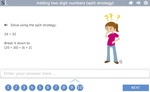
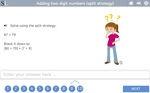
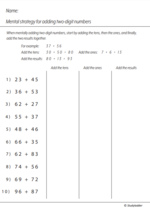
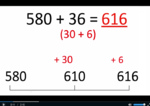
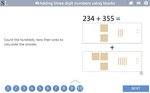
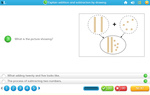
Samples: Add multiples of 10. Add two-digit numbers using the split strategy.
-
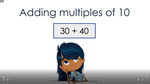
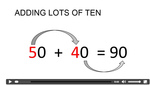
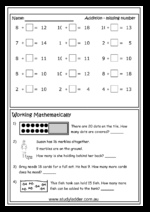
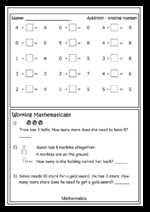
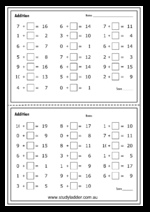
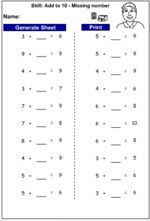
Add multiples of 10
- Activities: 3 course, 4 extra
-
-
![]()
- Add multiples of 10
- Tutorial
-
-
-
![]()
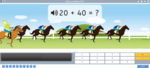
- Add multiples of 10
- Practice
-
-
-
![]()
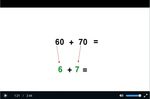
- Adding multiples of 10
- Tutorial
-
Extra activities
-
-
![]()
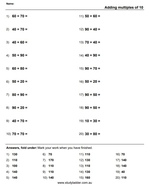
- Add multiples of 10
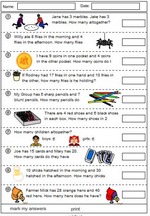
- Printable
-
-
-
![]()
- Adding multiples of 10
- Tutorial
-
-
-

![]()
- Addition problem solving
- Assessment
-
-
-
![]()
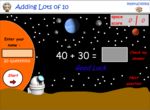
- Adding lots of 10
- Practice
-
-
Add two-digit numbers using the split strategy
- Activities: 6 course, 2 extra
-
Add single-digit numbers to two-digit numbers
- Activities: 3 course, 14 extra
-
-
![]()
- Adding on (numbers under 10)
- Challenge
-
Extra activities
-
-
![]()
- Adding on (numbers under 10)
- Printable
-
-
-
![]()
- Add on numbers under 10
- Tutorial
-
-
-
![]()
- Add on numbers less than 10
- Assessment
-
-
-
![]()
- Add lots of 10 - Jump Strategy
- Practice
-
-
-
![]()
- Adding lots of 10 to numbers less than 200
- Assessment
-
-
-
![]()
- Adding lots of 10 to numbers less than 1,000
- Assessment
-
-
Add two-digit numbers using the jump strategy
- Activities: 6 course, 5 extra
Extra activities
-
-
![]()
- Jump Strategy/Method Explained
- Tutorial
-
-
-
![]()
- Jump Strategy/Method
- Tutorial
-
-
-
![]()
- Addition of two digit numbers
- Challenge
-
-
-
![]()
- Addition of Two Digit Numbers
- Assessment
-
-
Add two-digit numbers using the written strategy
- Activities: 5 course, 11 extra
Extra activities
-
-
![]()
- Addition of two digit numbers
- Practice
-
-
-
![]()
- Addition of two digit numbers
- Practice
-
-
-
![]()
- Addition of two digit numbers
- Tutorial
-
-
Add two-digit numbers (problem solving)
- Activities: 6 course, 12 extra
Extra activities
-
-
![]()
- Add two-digit numbers (problem solving)
- Printable
-
-
-
![]()
- Add two-digit numbers (problem solving)
- Printable
-
-
-
![]()
- Add two-digit numbers (problem solving)
- Printable
-
-
-
![]()
- Add two-digit numbers (problem solving)
- Printable
-
-
-
![]()
- Add two-digit numbers (problem solving)
- Printable
-
-
-
![]()
- Add two-digit numbers (problem solving)
- Printable
-
-
-
![]()
- Add two-digit numbers (problem solving)
- Printable
-
-
-
![]()
- Problem solving using addition
- Assessment
-
-
-
![]()
- Subtraction - two digit numbers
- Printable
-
-
-
![]()
- Addition of two digit numbers
- Assessment
-
-
-
![]()
- Addition using the Jump Strategy/Method
- Challenge
-
-
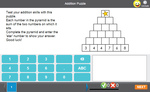
Challenge Puzzle - Addition Pyramid
- Activities: 1 course, 0 extra
-
-
![]()
- Challenge Puzzle - Addition Pyramid
- Practice
-
-
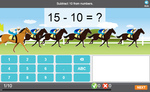
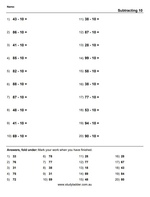
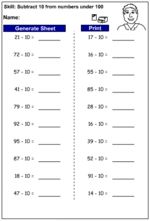
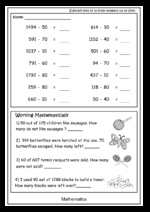
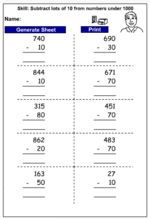
Subtract 10 from numbers
- Activities: 8 course, 12 extra
-
-
![]()
- Subtract 10 from numbers
- Tutorial
-
-
-
![]()
- Subtract 10 from numbers
- Practice
-
-
-
![]()
- Subtracting 10
- Tutorial
-
-
-
![]()
- Subtracting 10
- Challenge
-
-
-
![]()
- Subtracting 10
- Tutorial
-
-
-
![]()
- Subtracting 10
- Practice
-
Extra activities
-
-
![]()
- Subtract 10 from numbers
- Printable
-
-
-
![]()
- Subtract 10 from numbers under 100
- Printable
-
-
-
![]()
- Subtract 10 from larger numbers
- Printable
-
-
-
![]()
- Subtract 10 from numbers
- Printable
-
-
-
![]()
- Subtract 10 from larger numbers
- Assessment
-
-
-
![]()
- Subtract 10 from larger numbers
- Challenge
-
-
-
![]()
- Subtract 10 from numbers
- Assessment
-
-
Subtract multiples of 10 from numbers
- Activities: 4 course, 7 extra
-
-
![]()
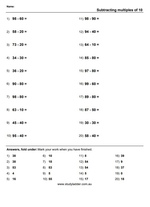
- Subtracting multiples of 10
- Tutorial
-
Extra activities
-
-
![]()
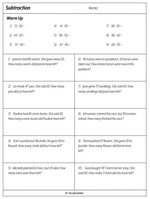
- Subtract multiples of 10 from numbers
- Printable
-
-
-
![]()
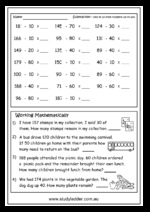
- Subtracting multiples of 10
- Printable
-
-
-
![]()
- Subtract Multiples Of 10
- Tutorial
-
-
Subtract from 100 (problem solving)
- Activities: 6 course, 7 extra
-
-
![]()
- Subtract from 100
- Tutorial
-
-
-
![]()
- Subtract from 100
- Practice
-
-
-
![]()
- Subtract from 100 (problem solving)
- Practice
-
-
-
![]()
- Subtracting from 100
- Challenge
-
-
-
![]()
- Subtracting from 100
- Tutorial
-
-
-
![]()
- Subtracting from 100
- Tutorial
-
Extra activities
-
-
![]()
- Subtract from 100
- Printable
-
-
-
![]()
- Subtract from 100 (problem solving)
- Printable
-
-
-
![]()
- Subtract from 100 (problem solving)
- Printable
-
-
-
![]()
- Subtracting from 100
- Printable
-
-
-
![]()
- Subtract from 100 - Written Strategy
- Tutorial
-
-
-
![]()
- Subtract from 100
- Practice
-
-
-
![]()
- Subtract from 100
- Assessment
-
-
Subtract two-digit numbers using the jump-back strategy
- Activities: 5 course, 16 extra
Extra activities
-
-
![]()
- Subtract 20 from numbers under 100
- Challenge
-
-
-
![]()
- Subtract 20 from numbers under 100
- Assessment
-
-
-
![]()
- Subtract 30 from numbers under 100
- Challenge
-
-
-
![]()
- Subtract 30 from numbers under 100
- Assessment
-
-
-
![]()
- Subtract 40 from numbers under 100
- Assessment
-
-
-
![]()
- Subtract 40 from numbers under 100
- Challenge
-
-
-
![]()
- Subtract 50 from numbers under 100
- Challenge
-
-
-
![]()
- Subtract 50 from numbers under 100
- Assessment
-
-
Subtract two-digit numbers using a written strategy
- Activities: 6 course, 13 extra
Extra activities
-
-
![]()
- Subtraction of two digit numbers
- Printable
-
-
-
![]()
- Subtraction - two digit numbers
- Practice
-
-
Subtract two-digit numbers (problem solving)
- Activities: 6 course, 22 extra
-
-
![]()
- Subtract two-digit numbers
- Practice
-
Extra activities
-
-
![]()
- Subtract two-digit numbers
- Printable
-
-
-
![]()
- Subtract numbers less than 20
- Printable
-
-
-
![]()
- Drill - Subtract numbers up to 100
- Printable
-
-
-
![]()
- Problem solving using subtraction
- Assessment
-
-
-
![]()
- Subtraction
- Assessment
-
-
-
![]()
- Subtraction - two digit numbers
- Challenge
-
-
-
![]()
- Subtraction of two digit numbers
- Challenge
-
-
-
![]()
- Subtraction of two digit numbers
- Assessment
-
-
-
14 learning outcomes – click to view
Mathematics
2.OA.2 – Fluently add and subtract within 20 using mental strategies. (See standard 1.OA.6 for a list of mental strategies.) By end of Grade 2, know from memory all sums of two one-digit numbers.
-
4 learning outcomes – click to view
Samples: Add single-digit numbers. Find the missing number in single-digit addition. Subtract single-digit numbers.
-
Add single-digit numbers
- Activities: 5 course, 17 extra
-
-
![]()
- Add single-digit numbers
- Tutorial
-
-
-
![]()
- Add single-digit numbers
- Practice
-
-
-
![]()
- Adding single digit numbers
- Challenge
-
-
-
![]()
- Add numbers less than 5
- Tutorial
-
Extra activities
-
-
![]()
- Add single-digit numbers
- Printable
-
-
-
![]()
- Add doubles - single digit numbers
- Printable
-
-
-
![]()
- Adding single digit numbers
- Printable
-
-
-
![]()
- Adding single digit numbers
- Printable
-
-
-
![]()
- Timed Challenge: Add numbers less than 5
- Challenge
-
-
-
![]()
- Add Single Digits Duck Game
- Practice
-
-
-
![]()
- Drill - Add numbers up to 10.
- Printable
-
-
-
![]()
- Drill - Doubles to 20
- Printable
-
-
-
![]()
- Drill - Doubles to 20 (Auto-Generated)
- Printable
-
-
-
![]()
- Add single digit numbers
- Printable
-
-
-
![]()
- Addition to 20 - with visual cues
- Practice
-
-
-
![]()
- Add numbers less than 5
- Assessment
-
-
-
![]()
- Add single digit numbers
- Assessment
-
-
-
![]()
- Combining to 20
- Practice
-
-
Find the missing number in single-digit addition
- Activities: 3 course, 10 extra
-
-
![]()
- Single digit addition (missing number)
- Challenge
-
Extra activities
-
-
![]()
- Single digit addition (missing number)
- Printable
-
-
-
![]()
- Single digit addition (missing number)
- Printable
-
-
-
![]()
- Single digit addition (missing number)
- Printable
-
-
-
![]()
- Single digit addition (missing number)
- Printable
-
-
-
![]()
- Addition with a missing number
- Assessment
-
-
Subtract single-digit numbers
- Activities: 5 course, 12 extra
-
-
![]()
- Subtract single-digit numbers
- Tutorial
-
-
-
![]()
- Subtract single-digit numbers
- Tutorial
-
-
-
![]()
- Subtract single-digit numbers
- Practice
-
-
-
![]()
- Subtract single-digit numbers
- Practice
-
-
-
![]()
- Subtracting single digit numbers
- Challenge
-
Extra activities
-
-
![]()
- Subtract single digit numbers
- Printable
-
-
-
![]()
- Subtraction problem solving
- Assessment
-
-
-
![]()
- Subtract single digit numbers
- Printable
-
-
-
![]()
- Drill - Subtraction under 10
- Printable
-
-
-
![]()
- Subtract single digit numbers
- Tutorial
-
-
-
![]()
- Subtract single digits
- Tutorial
-
-
-
![]()
- Subtract from 10
- Practice
-
-
-
![]()
- Subtract single digit numbers
- Assessment
-
-
-
![]()
- Subtract single digit numbers
- Challenge
-
-
-
![]()
- Subtract single digit numbers
- Practice
-
-
-
![]()
- Subtract numbers less than 20
- Assessment
-
-
-
4 learning outcomes – click to view
Mathematics
2.OA.3 – Determine whether a group of objects (up to 20) has an odd or even number of members, e.g., by pairing objects or counting them by 2s; write an equation to express an even number as a sum of two equal addends.
-
2 learning outcomes – click to view
Samples: Odd and even amounts. Matching equations to word problems.
-
Matching equations to word problems
- Activities: 1 course, 0 extra
-
-
![]()
- Matching equations to word problems
- Practice
-
-
2 learning outcomes – click to view
2.OA.4 – Use addition to find the total number of objects arranged in rectangular arrays with up to 5 rows and up to 5 columns; write an equation to express the total as a sum of equal addends.
-
6 learning outcomes – click to view
Samples: Count in groups of 2. Count by 2s using a number line. Count in groups of 5. Count by 5s using a number line.
-
Count in groups of 2
- Activities: 4 course, 7 extra
-
-
![]()
- Count in groups of 2
- Tutorial
-
-
-
![]()
- Count in rows of 2
- Practice
-
-
-
![]()
- Count in groups of 2
- Practice
-
-
-
![]()
- Groups of 2
- Tutorial
-
Extra activities
-
-
![]()
- Count in groups of 2
- Printable
-
-
-
![]()
- Count in groups of 2
- Printable
-
-
-
![]()
- Groups of 2
- Practice
-
-
-
![]()
- Groups of 2
- Challenge
-
-
-
![]()
- Groups of 2
- Assessment
-
-
-
![]()
- Multiply by adding lots of 2
- Practice
-
-
Count by 2s using a number line
- Activities: 7 course, 5 extra
-
-
![]()
- Count by 2s using a number line
- Tutorial
-
-
-
![]()
- Count by 2s
- Practice
-
-
-
![]()
- Count by 2s using a number line
- Practice
-
-
-
![]()
- Count by 2s using a number line
- Practice
-
-
-
![]()
- Counting by 2
- Tutorial
-
-
-
![]()
- Counting by 2
- Tutorial
-
-
-
![]()
- Counting by Two - Faster
- Tutorial
-
Extra activities
-
-
![]()
- Count by 2s
- Printable
-
-
-
![]()
- Counting by 2
- Tutorial
-
-
-
![]()
- Counting by 2
- Assessment
-
-
-
![]()
- Count on by 2 the next three numbers
- Practice
-
-
-
![]()
- Count by lots of 2
- Practice
-
-
Count by 5s
- Activities: 5 course, 14 extra
-
-
![]()
- Count in groups of 5
- Tutorial
-
-
-
![]()
- Count in rows of 5
- Practice
-
-
-
![]()
- Count in groups of 5
- Practice
-
-
-
![]()
- Groups of 5
- Tutorial
-
-
-
![]()
- Rows of 5
- Tutorial
-
Extra activities
-
-
![]()
- Count in groups of 5
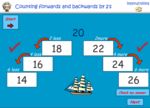
- Printable
-
-
-
![]()
- Count in groups of 5
- Printable
-
-
-
![]()
- Count in groups of 5
- Printable
-
-
-
![]()
- Identifying the amounts in a group
- Tutorial
-
-
-
![]()
- Groups and rows of 5
- Tutorial
-
-
-
![]()
- Groups of 5
- Tutorial
-
-
-
![]()
- Rows of 5
- Tutorial
-
-
-
![]()
- Groups of 5
- Challenge
-
-
-
![]()
- Groups of 5
- Practice
-
-
-
![]()
- Multiply by adding lots of 5
- Practice
-
-
-
![]()
- Groups of 5
- Assessment
-
-
-
![]()
- Rows of five
- Practice
-
-
Count by 5s using a number line
- Activities: 6 course, 3 extra
-
-
![]()
- Count by 5s using a number line
- Tutorial
-
-
-
![]()
- Count by 5s using a number line
- Tutorial
-
-
-
![]()
- Count by 5s
- Practice
-
-
-
![]()
- Count by 5s using a number line
- Practice
-
-
-
![]()
- Count by 5s using a number line
- Practice
-
-
-
![]()
- Counting by 5
- Tutorial
-
Extra activities
-
-
![]()
- Count by 5s
- Printable
-
-
-
![]()
- Counting by 5
- Assessment
-
-
-
![]()
- Count by lots of 5
- Practice
-
-
Count by 10s using a number line
- Activities: 6 course, 5 extra
-
-
![]()
- Count by 10s using a number line
- Tutorial
-
-
-
![]()
- Count by 10s
- Practice
-
-
-
![]()
- Count by 10s using a number line
- Practice
-
-
-
![]()
- Count by 10s using a number line
- Practice
-
-
-
![]()
- Counting by 10
- Tutorial
-
-
-
![]()
- Counting by 10
- Tutorial
-
Extra activities
-
-
![]()
- Countiby 10s
- Printable
-
-
-
![]()
- Counting by 10
- Printable
-
-
-
![]()
- Numbers Problem Solving
- Assessment
-
-
-
![]()
- Count by lots of 10
- Practice
-
-
-
![]()
- Counting by 10
- Assessment
-
-
Use arrays to represent 2s, 5s and 10s
- Activities: 4 course, 0 extra
-
-
![]()
- Arrays 2, 5, 10 (up to 5 rows)
- Practice
-
-
-
6 learning outcomes – click to view
2.NBT – Number & Operations in Base Ten
Mathematics
2.NBT.1 – Understand that the three digits of a three-digit number represent amounts of hundreds, tens, and ones; e.g., 706 equals 7 hundreds, 0 tens, and 6 ones. Understand the following as special cases:
2.NBT.1.a – 100 can be thought of as a bundle of ten tens — called a “hundred.”
-
3 learning outcomes – click to view
Samples: Representing numbers using tens and ones (numbers to 100). Counting with tens and ones (bundled sticks).
-
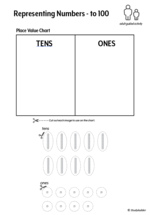
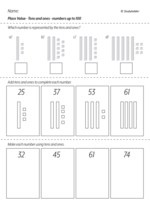
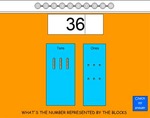
Representing numbers using tens and ones (numbers to 100)
- Activities: 7 course, 3 extra
-
-
![]()
- Place Values
- Tutorial
-
Extra activities
-
-
![]()
- Identifying Place Value
- Practice
-
-
-
![]()
- Guessing game - Numbers to 100
- Practice
-
-
Counting with tens and ones
- Activities: 3 course, 3 extra
-
-
![]()
- Place value 100
- Practice
-
Extra activities
-
-
![]()
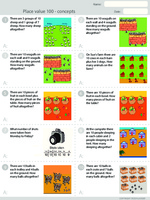
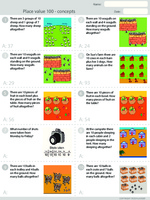
- Place value 100 concepts
- Printable
-
-
-
![]()
- Place value 100 - concepts Answer sheet
- Printable
-
-
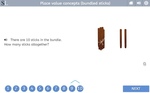
Place value concepts (bundled sticks)
- Activities: 1 course, 0 extra
-
-
3 learning outcomes – click to view
2.NBT.1.b – The numbers 100, 200, 300, 400, 500, 600, 700, 800, 900 refer to one, two, three, four, five, six, seven, eight, or nine hundreds (and 0 tens and 0 ones).
-
4 learning outcomes – click to view
Samples: Representing numbers using hundreds, tens and ones. Representing numbers using tens and ones (numbers to 100).
-
Representing numbers using hundreds, tens and ones
- Activities: 4 course, 4 extra
-
Representing numbers using tens and ones (numbers to 100)
- Activities: 7 course, 3 extra
-
-
![]()
- Place Values
- Tutorial
-
Extra activities
-
-
![]()
- Identifying Place Value
- Practice
-
-
-
![]()
- Guessing game - Numbers to 100
- Practice
-
-
Counting with tens and ones
- Activities: 3 course, 3 extra
-
-
![]()
- Place value 100
- Practice
-
Extra activities
-
-
![]()
- Place value 100 concepts
- Printable
-
-
-
![]()
- Place value 100 - concepts Answer sheet
- Printable
-
-
Place value concepts (bundled sticks)
- Activities: 1 course, 0 extra
-
-
4 learning outcomes – click to view
2.NBT.2 – Count within 1000; skip-count by 5s, 10s, and 100s.
-
3 learning outcomes – click to view
Samples: Skip count by 2s. Count by 5s using a number line. Count by 10s using a number line. Skip count by 2s.
-
Skip count by 2s
- Activities: 3 course, 10 extra
-
-
![]()
- Skip count by 2s
- Tutorial
-
-
-
![]()
- Skip count by 2s
- Practice
-
-
-
![]()
- Investigating number patterns
- Practice
-
Extra activities
-
-
![]()
- Count by 2
- Practice
-
-
-
![]()
- Count by 3
- Practice
-
-
-
![]()
- Count by 5
- Practice
-
-
-
![]()
- Continue a pattern by 3
- Practice
-
-
-
![]()
- Count by 2
- Practice
-
-
-
![]()
- Continue a pattern by 2 or 3
- Practice
-
-
-
![]()
- Continue a pattern by 5
- Practice
-
-
-
![]()
- Continue a pattern by 10
- Practice
-
-
Count by 5s using a number line
- Activities: 6 course, 3 extra
-
-
![]()
- Count by 5s using a number line
- Tutorial
-
-
-
![]()
- Count by 5s using a number line
- Tutorial
-
-
-
![]()
- Count by 5s
- Practice
-
-
-
![]()
- Count by 5s using a number line
- Practice
-
-
-
![]()
- Count by 5s using a number line
- Practice
-
-
-
![]()
- Counting by 5
- Tutorial
-
Extra activities
-
-
![]()
- Count by 5s
- Printable
-
-
-
![]()
- Counting by 5
- Assessment
-
-
-
![]()
- Count by lots of 5
- Practice
-
-
Count by 10s using a number line
- Activities: 6 course, 5 extra
-
-
![]()
- Count by 10s using a number line
- Tutorial
-
-
-
![]()
- Count by 10s
- Practice
-
-
-
![]()
- Count by 10s using a number line
- Practice
-
-
-
![]()
- Count by 10s using a number line
- Practice
-
-
-
![]()
- Counting by 10
- Tutorial
-
-
-
![]()
- Counting by 10
- Tutorial
-
Extra activities
-
-
![]()
- Countiby 10s
- Printable
-
-
-
![]()
- Counting by 10
- Printable
-
-
-
![]()
- Numbers Problem Solving
- Assessment
-
-
-
![]()
- Count by lots of 10
- Practice
-
-
-
![]()
- Counting by 10
- Assessment
-
-
-
3 learning outcomes – click to view
2.NBT.3 – Read and write numbers to 1000 using base-ten numerals, number names, and expanded form.
-
2 learning outcomes – click to view
Samples: Place value. Writing numbers to 1000. Counting forwards and backwards by 10. Counting forwards and backwards by 10.
-
2 learning outcomes – click to view
2.NBT.4 – Compare two three-digit numbers based on meanings of the hundreds, tens, and ones digits, using >, =, and < symbols to record the results of comparisons.
-
1 learning outcomes – click to view
Samples: Comparing numbers to 1000 using <, > and =. Comparing numbers to 1000 using <, > and =.
-
1 learning outcomes – click to view
Mathematics
2.NBT.5 – Fluently add and subtract within 100 using strategies based on place value, properties of operations, and/or the relationship between addition and subtraction.
-
21 learning outcomes – click to view
Samples: Place value - adding on ones. Using place value to add two-digit numbers. Add multiples of 10.
-
Add multiples of 10
- Activities: 3 course, 4 extra
-
-
![]()
- Add multiples of 10
- Tutorial
-
-
-
![]()
- Add multiples of 10
- Practice
-
-
-
![]()
- Adding multiples of 10
- Tutorial
-
Extra activities
-
-
![]()
- Add multiples of 10
- Printable
-
-
-
![]()
- Adding multiples of 10
- Tutorial
-
-
-
![]()
- Addition problem solving
- Assessment
-
-
-
![]()
- Adding lots of 10
- Practice
-
-
Estimate sums by rounding two-digit numbers
- Activities: 1 course, 2 extra
Extra activities
-
-
![]()
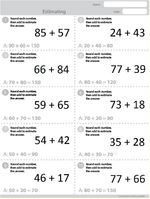
- Estimating Answer sheet
- Printable
-
-
Add two-digit numbers using the split strategy
- Activities: 6 course, 2 extra
-
Add single-digit numbers to two-digit numbers
- Activities: 3 course, 14 extra
-
-
![]()
- Adding on (numbers under 10)
- Challenge
-
Extra activities
-
-
![]()
- Adding on (numbers under 10)
- Printable
-
-
-
![]()
- Add on numbers under 10
- Tutorial
-
-
-
![]()
- Add on numbers less than 10
- Assessment
-
-
-
![]()
- Add lots of 10 - Jump Strategy
- Practice
-
-
-
![]()
- Adding lots of 10 to numbers less than 200
- Assessment
-
-
-
![]()
- Adding lots of 10 to numbers less than 1,000
- Assessment
-
-
Add two-digit numbers using the jump strategy
- Activities: 6 course, 5 extra
Extra activities
-
-
![]()
- Jump Strategy/Method Explained
- Tutorial
-
-
-
![]()
- Jump Strategy/Method
- Tutorial
-
-
-
![]()
- Addition of two digit numbers
- Challenge
-
-
-
![]()
- Addition of Two Digit Numbers
- Assessment
-
-
Add two-digit numbers using the written strategy
- Activities: 5 course, 11 extra
Extra activities
-
-
![]()
- Addition of two digit numbers
- Practice
-
-
-
![]()
- Addition of two digit numbers
- Practice
-
-
-
![]()
- Addition of two digit numbers
- Tutorial
-
-
Add two-digit numbers (problem solving)
- Activities: 6 course, 12 extra
Extra activities
-
-
![]()
- Add two-digit numbers (problem solving)
- Printable
-
-
-
![]()
- Add two-digit numbers (problem solving)
- Printable
-
-
-
![]()
- Add two-digit numbers (problem solving)
- Printable
-
-
-
![]()
- Add two-digit numbers (problem solving)
- Printable
-
-
-
![]()
- Add two-digit numbers (problem solving)
- Printable
-
-
-
![]()
- Add two-digit numbers (problem solving)
- Printable
-
-
-
![]()
- Add two-digit numbers (problem solving)
- Printable
-
-
-
![]()
- Problem solving using addition
- Assessment
-
-
-
![]()
- Subtraction - two digit numbers
- Printable
-
-
-
![]()
- Addition of two digit numbers
- Assessment
-
-
-
![]()
- Addition using the Jump Strategy/Method
- Challenge
-
-
Subtract 10 from numbers
- Activities: 8 course, 12 extra
-
-
![]()
- Subtract 10 from numbers
- Tutorial
-
-
-
![]()
- Subtract 10 from numbers
- Practice
-
-
-
![]()
- Subtracting 10
- Tutorial
-
-
-
![]()
- Subtracting 10
- Challenge
-
-
-
![]()
- Subtracting 10
- Tutorial
-
-
-
![]()
- Subtracting 10
- Practice
-
Extra activities
-
-
![]()
- Subtract 10 from numbers
- Printable
-
-
-
![]()
- Subtract 10 from numbers under 100
- Printable
-
-
-
![]()
- Subtract 10 from larger numbers
- Printable
-
-
-
![]()
- Subtract 10 from numbers
- Printable
-
-
-
![]()
- Subtract 10 from larger numbers
- Assessment
-
-
-
![]()
- Subtract 10 from larger numbers
- Challenge
-
-
-
![]()
- Subtract 10 from numbers
- Assessment
-
-
Subtract multiples of 10 from numbers
- Activities: 4 course, 7 extra
-
-
![]()
- Subtracting multiples of 10
- Tutorial
-
Extra activities
-
-
![]()
- Subtract multiples of 10 from numbers
- Printable
-
-
-
![]()
- Subtracting multiples of 10
- Printable
-
-
-
![]()
- Subtract Multiples Of 10
- Tutorial
-
-
Subtract from 100 (problem solving)
- Activities: 6 course, 7 extra
-
-
![]()
- Subtract from 100
- Tutorial
-
-
-
![]()
- Subtract from 100
- Practice
-
-
-
![]()
- Subtract from 100 (problem solving)
- Practice
-
-
-
![]()
- Subtracting from 100
- Challenge
-
-
-
![]()
- Subtracting from 100
- Tutorial
-
-
-
![]()
- Subtracting from 100
- Tutorial
-
Extra activities
-
-
![]()
- Subtract from 100
- Printable
-
-
-
![]()
- Subtract from 100 (problem solving)
- Printable
-
-
-
![]()
- Subtract from 100 (problem solving)
- Printable
-
-
-
![]()
- Subtracting from 100
- Printable
-
-
-
![]()
- Subtract from 100 - Written Strategy
- Tutorial
-
-
-
![]()
- Subtract from 100
- Practice
-
-
-
![]()
- Subtract from 100
- Assessment
-
-
Make 100
- Activities: 5 course, 3 extra
-
-
![]()
- Make 100
- Tutorial
-
-
-
![]()
- Make 100
- Practice
-
-
-
![]()
- Make 100
- Practice
-
-
-
![]()
- Make 100 (problem solving)
- Practice
-
-
-
![]()
- Make 100 (problem solving)
- Practice
-
Extra activities
-
-
![]()
- Make 100
- Printable
-
-
-
![]()
- Make 100 (problem solving)
- Printable
-
-
-
![]()
- Make 100 - Mental strategies
- Tutorial
-
-
Subtract two-digit numbers using the jump-back strategy
- Activities: 5 course, 16 extra
Extra activities
-
-
![]()
- Subtract 20 from numbers under 100
- Challenge
-
-
-
![]()
- Subtract 20 from numbers under 100
- Assessment
-
-
-
![]()
- Subtract 30 from numbers under 100
- Challenge
-
-
-
![]()
- Subtract 30 from numbers under 100
- Assessment
-
-
-
![]()
- Subtract 40 from numbers under 100
- Assessment
-
-
-
![]()
- Subtract 40 from numbers under 100
- Challenge
-
-
-
![]()
- Subtract 50 from numbers under 100
- Challenge
-
-
-
![]()
- Subtract 50 from numbers under 100
- Assessment
-
-
Subtract two-digit numbers using a written strategy
- Activities: 6 course, 13 extra
Extra activities
-
-
![]()
- Subtraction of two digit numbers
- Printable
-
-
-
![]()
- Subtraction - two digit numbers
- Practice
-
-
Subtract two-digit numbers (problem solving)
- Activities: 6 course, 22 extra
-
-
![]()
- Subtract two-digit numbers
- Practice
-
Extra activities
-
-
![]()
- Subtract two-digit numbers
- Printable
-
-
-
![]()
- Subtract numbers less than 20
- Printable
-
-
-
![]()
- Drill - Subtract numbers up to 100
- Printable
-
-
-
![]()
- Problem solving using subtraction
- Assessment
-
-
-
![]()
- Subtraction
- Assessment
-
-
-
![]()
- Subtraction - two digit numbers
- Challenge
-
-
-
![]()
- Subtraction of two digit numbers
- Challenge
-
-
-
![]()
- Subtraction of two digit numbers
- Assessment
-
-
Adding two digit numbers
- Activities: 2 course, 1 extra
-
-
![]()
- Adding two digit numbers
- Practice
-
-
-
![]()
- Adding two digit numbers
- Practice
-
Extra activities
-
-
![]()
- Adding two digit numbers
- Printable
-
-
Match single-digit subtraction equations
- Activities: 1 course, 0 extra
-
21 learning outcomes – click to view
2.NBT.6 – Add up to four two-digit numbers using strategies based on place value and properties of operations.
-
12 learning outcomes – click to view
Samples: Add three single-digit numbers. Place value - adding 10 more. Adding multiples of 10 with base-ten blocks.
-
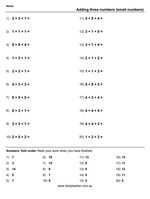
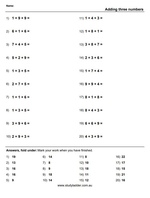
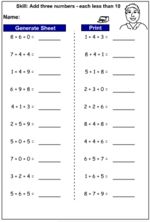
Add three single-digit numbers
- Activities: 7 course, 4 extra
-
-
![]()
- Add three single-digit numbers
- Tutorial
-
-
-
![]()
- Adding three single digit numbers
- Tutorial
-
-
-
![]()
- Adding three single digit numbers
- Tutorial
-
-
-
![]()
- Adding three single-digit numbers
- Tutorial
-
-
-
![]()
- Add three single-digit numbers
- Practice
-
-
-
![]()
- Add three single-digit numbers
- Practice
-
Extra activities
-
-
![]()
- Add three single-digit numbers
- Printable
-
-
-
![]()
- Add three single-digit numbers
- Printable
-
-
-
![]()
- Add three single-digit numbers
- Printable
-
-
Place value - adding 10 more
- Activities: 2 course, 0 extra
-
-
![]()
- Place value - adding 10 more
- Tutorial
-
-
-
![]()
- Place value - adding 10 more
- Practice
-
-
Adding multiples of 10 with base-ten blocks
- Activities: 2 course, 0 extra
-
Add multiples of 10
- Activities: 3 course, 4 extra
-
-
![]()
- Add multiples of 10
- Tutorial
-
-
-
![]()
- Add multiples of 10
- Practice
-
-
-
![]()
- Adding multiples of 10
- Tutorial
-
Extra activities
-
-
![]()
- Add multiples of 10
- Printable
-
-
-
![]()
- Adding multiples of 10
- Tutorial
-
-
-
![]()
- Addition problem solving
- Assessment
-
-
-
![]()
- Adding lots of 10
- Practice
-
-
Estimate sums by rounding two-digit numbers
- Activities: 1 course, 2 extra
Extra activities
-
-
![]()
- Estimating Answer sheet
- Printable
-
-
Adding multiples of 10
- Activities: 1 course, 3 extra
-
Add two-digit numbers using the split strategy
- Activities: 6 course, 2 extra
-
Add two-digit numbers using the jump strategy
- Activities: 6 course, 5 extra
Extra activities
-
-
![]()
- Jump Strategy/Method Explained
- Tutorial
-
-
-
![]()
- Jump Strategy/Method
- Tutorial
-
-
-
![]()
- Addition of two digit numbers
- Challenge
-
-
-
![]()
- Addition of Two Digit Numbers
- Assessment
-
-
Add two-digit numbers using the written strategy
- Activities: 5 course, 11 extra
Extra activities
-
-
![]()
- Addition of two digit numbers
- Practice
-
-
-
![]()
- Addition of two digit numbers
- Practice
-
-
-
![]()
- Addition of two digit numbers
- Tutorial
-
-
Adding two digit numbers
- Activities: 2 course, 1 extra
-
-
![]()
- Adding two digit numbers
- Practice
-
-
-
![]()
- Adding two digit numbers
- Practice
-
Extra activities
-
-
![]()
- Adding two digit numbers
- Printable
-
-
-
12 learning outcomes – click to view
2.NBT.7 – Add and subtract within 1000, using concrete models or drawings and strategies based on place value, properties of operations, and/or the relationship between addition and subtraction; relate the strategy to a written method. Understand that in adding or subtracting three-digit numbers, one adds or subtracts hundreds and hundreds, tens and tens, ones and ones; and sometimes it is necessary to compose or decompose tens or hundreds.
-
4 learning outcomes – click to view
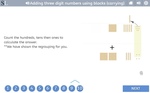
Samples: Using place value to add three-digit numbers. Adding multiples of 10 with base-ten blocks.
-
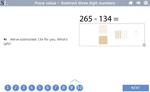
Using place value to add three-digit numbers
- Activities: 2 course, 0 extra
-
Adding multiples of 10 with base-ten blocks
- Activities: 2 course, 0 extra
-
Using place value to subtract three-digit numbers
- Activities: 1 course, 0 extra
-
Place value - subtracting multiples of 10
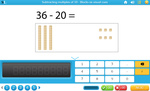
- Activities: 1 course, 0 extra
-
-
4 learning outcomes – click to view
2.NBT.8 – Mentally add 10 or 100 to a given number 100–900, and mentally subtract 10 or 100 from a given number 100–900.
-
3 learning outcomes – click to view
Samples: Add 100 to numbers. Subtract 10 from numbers over 100. Subtract 100 from numbers.
-
Add 100 to numbers
- Activities: 3 course, 1 extra
-
-
![]()
- Add 100 to numbers
- Practice
-
-
-
![]()
- Add 100 to numbers (problem solving)
- Practice
-
-
-
![]()
- Add 100 to numbers (problem solving)
- Printable
-
Extra activities
-
-
![]()
- Add 100 to numbers
- Printable
-
-
Subtract 10 from numbers over 100
- Activities: 1 course, 1 extra
-
-
![]()
- Subtract 10 from numbers over 100
- Practice
-
Extra activities
-
-
![]()
- Subtract 10 from numbers over 100
- Printable
-
-
Subtract 100 from numbers
- Activities: 1 course, 1 extra
-
-
3 learning outcomes – click to view
2.NBT.9 – Explain why addition and subtraction strategies work, using place value and the properties of operations. (Explanations may be supported by drawings or objects.)
-
1 learning outcomes – click to view
Samples: Explain addition and subtraction using drawings.
-
Explain addition and subtraction using drawings
- Activities: 1 course, 0 extra
-
-
1 learning outcomes – click to view
2.MD – Measurement & Data
Mathematics
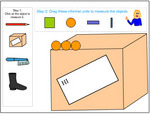
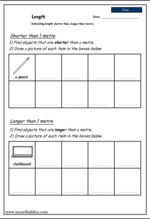
2.MD.1 – Measure the length of an object by selecting and using appropriate tools such as rulers, yardsticks, meter sticks, and measuring tapes.
-
3 learning outcomes – click to view
Samples: Units of measure. Use appropriate tools to measure length. Units of measure.
-
Use instruments to measure length.
- Activities: 2 course, 0 extra
-
-
![]()
- Units of measure
- Tutorial
-
-
-
![]()
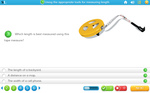
- Devices for measuring length
- Practice
-
-
3 learning outcomes – click to view
2.MD.2 – Measure the length of an object twice, using length units of different lengths for the two measurements; describe how the two measurements relate to the size of the unit chosen.
-
2 learning outcomes – click to view
Samples: Measuring length (informal units). What is a centimetre. Measuring Length (using informal units). Length.
-
Measure length using informal units.
- Activities: 2 course, 5 extra
-
-
![]()
- Measuring length (informal units)
- Tutorial
-
Extra activities
-
-
![]()
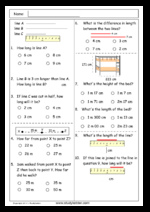
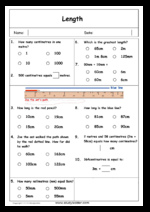
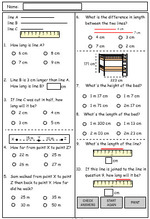
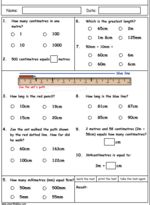
- Length
- Practice
-
-
-
![]()
- Length
- Assessment
-
-
-
![]()
- Measuring using informal units
- Practice
-
-
-
![]()
- Using informal units to measure length.
- Whiteboard
-
-
-
2 learning outcomes – click to view
2.MD.3 – Estimate lengths using units of inches, feet, centimeters, and meters.
2.MD.4 – Measure to determine how much longer one object is than another, expressing the length difference in terms of a standard length unit.
-
1 learning outcomes – click to view
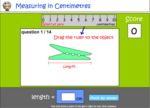
Samples: Measure length in centimeters. Measure using the centimetre. Measuring length in centimetres tutorial.
-
Measure length in centimeters
- Activities: 1 course, 3 extra
-
-
![]()
- Measure length in centimeters
- Tutorial
-
Extra activities
-
-
![]()
- Measure using the centimetre
- Practice
-
-
-
![]()
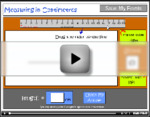
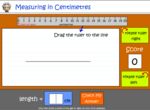
- Measuring length in centimetres
- Practice
-
-
-
1 learning outcomes – click to view
Mathematics
2.MD.5 – Use addition and subtraction within 100 to solve word problems involving lengths that are given in the same units, e.g., by using drawings (such as drawings of rulers) and equations with a symbol for the unknown number to represent the problem.
-
2 learning outcomes – click to view
Samples: Measure length in centimetres. Measure length in metres. Measure length in centimetres. Measure length in metres.
-
Measure length in centimetres
- Activities: 9 course, 6 extra
-
-
![]()
- Measure length in centimetres
- Tutorial
-
-
-
![]()
- Measure length in centimetres
- Practice
-
-
-
![]()
- Estimate length in centimetres
- Practice
-
-
-
![]()
- Measure length in centimetres
- Printable
-
-
-
![]()
- Measure length in centimetres
- Printable
-
-
-
![]()
- Measuring with a ruler
- Tutorial
-
-
-
![]()
- Measuring (cm): length language
- Practice
-
Extra activities
-
-
![]()
- Measure length in centimetres
- Printable
-
-
-
![]()
- Measuring length in centimetres
- Printable
-
-
-
![]()
- Measuring length in centimetres
- Printable
-
-
-
![]()
- Length Problem Solving
- Assessment
-
-
-
![]()
- Measure Length in Centimetres
- Whiteboard
-
-
Measure length in metres
- Activities: 4 course, 12 extra
-
-
![]()
- Measure length in metres
- Tutorial
-
-
-
![]()
- Measure length in metres
- Practice
-
-
-
![]()
- Estimate length in metres
- Practice
-
-
-
![]()
- Units of measure
- Tutorial
-
Extra activities
-
-
![]()
- Measure length in metres
- Printable
-
-
-
![]()
- Length (problem solving)
- Printable
-
-
-
![]()
- Length (problem solving)
- Printable
-
-
-
![]()
- Length Problem Solving
- Assessment
-
-
-
![]()
- Length
- Assessment
-
-
-
![]()
- Comparing length to a metre
- Printable
-
-
-
![]()
- Measuring length in metres
- Practice
-
-
-
![]()
- Measuring length in metres tutorial
- Tutorial
-
-
-
2 learning outcomes – click to view
2.MD.6 – Represent whole numbers as lengths from 0 on a number line diagram with equally spaced points corresponding to the numbers 0, 1, 2, ..., and represent whole-number sums and differences within 100 on a number line diagram.
-
2 learning outcomes – click to view
Samples: Represent lengths on a number line. Add and subtract unit lengths.
-
Represent lengths on a number line
- Activities: 2 course, 0 extra
-
-
2 learning outcomes – click to view
Mathematics
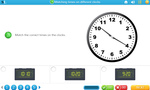
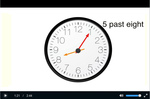
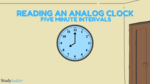
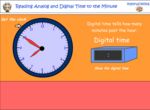
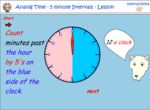
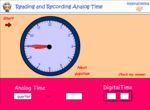
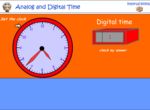
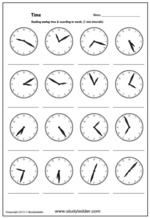
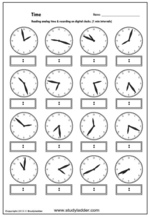
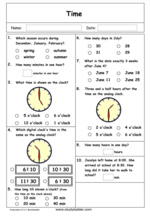
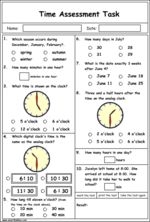
2.MD.7 – Tell and write time from analog and digital clocks to the nearest five minutes, using a.m. and p.m.
-
3 learning outcomes – click to view
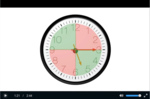
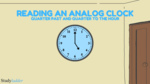
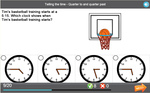
Samples: Reading digital time. Telling the time. Telling the time on an analog clock - quarter to and past.
-
Reading time - five minute intervals
- Activities: 8 course, 2 extra
-
-
![]()
- Reading digital time
- Tutorial
-
-
-
![]()
- Counting by 5's on a clock face
- Tutorial
-
-
-
![]()
- Matching times on different clocks
- Practice
-
Extra activities
-
Reading Time - to the minute
- Activities: 4 course, 11 extra
-
-
![]()
- Telling the time
- Tutorial
-
-
-
![]()
- Reading Clock Five Minute Intervals
- Tutorial
-
-
-
![]()
- Tell time to the minute
- Practice
-
-
-
![]()
- Reading Time - to the minute
- Practice
-
Extra activities
-
-
![]()
- Tell time to the minute: Activity 2
- Practice
-
-
-
![]()
- Telling the time
- Practice
-
-
-
![]()
- Telling the time
- Practice
-
-
-
![]()
- Reading analog to one minute intervals
- Printable
-
-
-
![]()
- Recording analog time in digital format
- Printable
-
-
-
![]()
- Time Problem Solving
- Printable
-
-
-
![]()
- Time Problem Solving
- Assessment
-
-
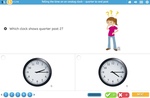
Telling the time on an analog clock - quarter to and past
- Activities: 3 course, 9 extra
Extra activities
-
-
3 learning outcomes – click to view
2.MD.8 – Solve word problems involving dollar bills, quarters, dimes, nickels, and pennies, using $ and ¢ symbols appropriately. Example: If you have 2 dimes and 3 pennies, how many cents do you have?
Mathematics
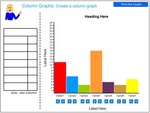
2.MD.9 – Generate measurement data by measuring lengths of several objects to the nearest whole unit, or by making repeated measurements of the same object. Show the measurements by making a line plot, where the horizontal scale is marked off in whole-number units.
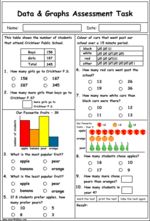
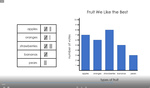
2.MD.10 – Draw a picture graph and a bar graph (with single-unit scale) to represent a data set with up to four categories. Solve simple put-together, take-apart, and compare problems (See Glossary, Table 1. http://www.corestandards.org/the-standards/mathematics/glossary/glossary/ ) using information presented in a bar graph.
-
4 learning outcomes – click to view
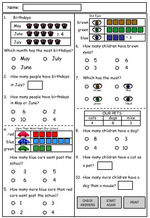
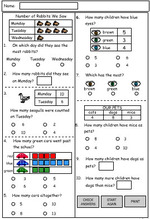
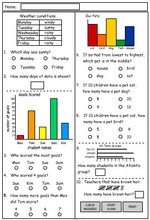
Samples: Data - picture graphs. Create a Column Graph. Data. Column graphs. Picture graphs. Data. Column graphs.
-
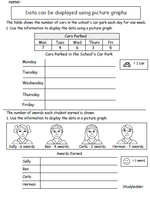
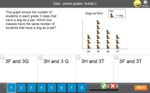
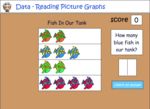
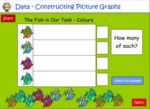
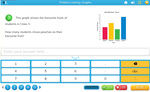
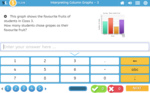
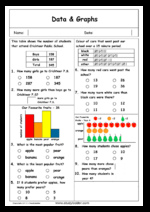
Interpret data presented using picture graphs.
- Activities: 2 course, 4 extra
-
-
![]()
- Data - picture graphs
- Practice
-
-
-
![]()
- Picture graphs.
- Practice
-
Extra activities
-
-
![]()
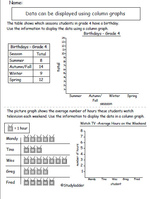
- Display data using picture graphs
- Printable
-
-
-
![]()
- Data - picture graphs: Activity 2
- Practice
-
-
-
![]()
- Reading picture graphs
- Practice
-
-
-
![]()
- Making picture graphs
- Practice
-
-
Data & Graphs - Column Graph Creator
- Activities: 0 course, 1 extra
Extra activities
-
-
![]()
- Create a Column Graph
- Whiteboard
-
-
Interpret data presented using simple column graphs
- Activities: 0 course, 6 extra
Extra activities
-
-
![]()
- Data
- Assessment
-
-
-
![]()
- Data
- Assessment
-
-
-
![]()
- Data Problem Solving
- Assessment
-
-
-
![]()
- Data - graphs
- Assessment
-
-
-
![]()
- Making a bar graph
- Practice
-
-
-
![]()
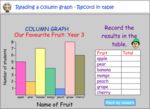
- Reading a column graph
- Practice
-
-
Column graphs
- Activities: 4 course, 6 extra
-
-
![]()
- Column graphs
- Tutorial
-
-
-
![]()
- Column graphs
- Practice
-
-
-
![]()
- Interpreting Column Graphs - 3
- Practice
-
-
-
![]()
- Reading column graphs
- Printable
-
Extra activities
-
-
![]()
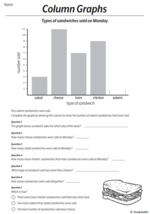
- Display data using a simple column graph
- Printable
-
-
-
![]()
- Collecting data and making a bar graph
- Printable
-
-
-
![]()
- Data
- Printable
-
-
-
![]()
- Data
- Printable
-
-
-
![]()
- Data Problem Solving
- Printable
-
-
-
![]()
- Data - graphs
- Printable
-
-
-
4 learning outcomes – click to view
2.G – Geometry
Mathematics
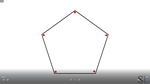
2.G.1 – Recognize and draw shapes having specified attributes, such as a given number of angles or a given number of equal faces. (Sizes are compared directly or visually, not compared by measuring.) Identify triangles, quadrilaterals, pentagons, hexagons, and cubes.
-
3 learning outcomes – click to view
Samples: Quadrilaterals. Constructing 2D shapes. Features of three-dimensional objects. Naming two-dimensional shapes.
-
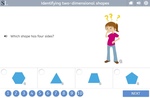
Identifying two-dimensional shapes
- Activities: 5 course, 0 extra
-
-
![]()
- Quadrilaterals
- Tutorial
-
-
-
![]()
- Naming two-dimensional shapes
- Tutorial
-
-
-
![]()
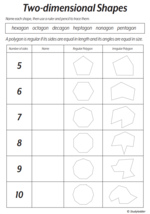
- Regular and irregular shapes
- Tutorial
-
-
-
![]()
- Identifying two-dimensional shapes
- Practice
-
-
-
- Naming two-dimensional shapes
- Tutorial
-
-
Constructing and drawing two-dimensional shapes
- Activities: 3 course, 3 extra
-
-
![]()
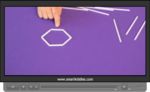
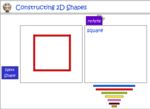
- Constructing 2D shapes
- Tutorial
-
-
-
![]()
- Constructing 2D shapes
- Tutorial
-
Extra activities
-
-
![]()
- Constructing 2D shapes
- Practice
-
-
-
![]()
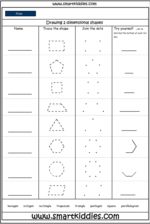
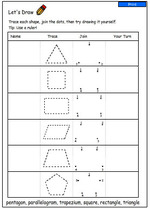
- Draw Shapes
- Printable
-
-
Describe the features of three-dimensional objects
- Activities: 4 course, 8 extra
-
-
![]()
- Identifying corners on 3D objects
- Tutorial
-
Extra activities
-
-
![]()
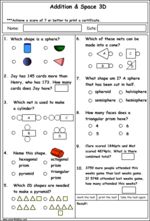
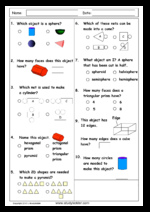
- Space 3D Problem Solving
- Assessment
-
-
-
![]()
- Space 3D Problem Solving
- Printable
-
-
-
![]()
- Space 3D Problem Solving
- Assessment
-
-
-
![]()
- Space 3D Problem Solving
- Printable
-
-
-
![]()
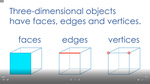
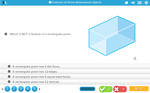
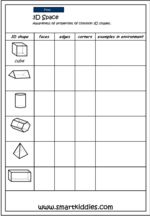
- Properties of 3D objects
- Printable
-
-
-
![]()
- Identifying faces on 3D objects
- Practice
-
-
-
![]()
- Identifying corners on 3D Objects
- Practice
-
-
-
3 learning outcomes – click to view
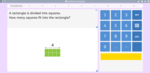
2.G.2 – Partition a rectangle into rows and columns of same-size squares and count to find the total number of them.
-
1 learning outcomes – click to view
Samples: Counting by using rows. Counting by using rows. Partitioned rectangles.
-
Partitioned rectangles
- Activities: 3 course, 0 extra
-
-
![]()
- Counting by using rows
- Tutorial
-
-
-
![]()
- Counting by using rows
- Tutorial
-
-
-
![]()
- Partitioned rectangles
- Practice
-
-
-
1 learning outcomes – click to view
2.G.3 – Partition circles and rectangles into two, three, or four equal shares, describe the shares using the words halves, thirds, half of, a third of, etc., and describe the whole as two halves, three thirds, four fourths. Recognize that equal shares of identical wholes need not have the same shape.
-
5 learning outcomes – click to view
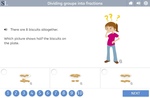
Samples: Halve groups. Fractions. Quarters. Find fractions of groups. Represent fractions using symbols. Halve groups.
-
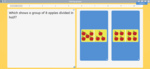
Halve groups
- Activities: 3 course, 1 extra
-
-
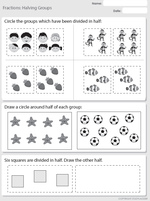
![]()
- Halve groups
- Tutorial
-
-
-
![]()
- Halve groups
- Practice
-
-
-
![]()
- Halves - identifying an equal share
- Tutorial
-
Extra activities
-
-
![]()
- Halve groups
- Printable
-
-
Identify halves, thirds and quarters
- Activities: 2 course, 1 extra
-
-
![]()
- Fractions
- Tutorial
-
-
-
![]()
- Identify halves, thirds and quarters
- Practice
-
Extra activities
-
-
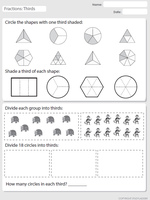
![]()
- Identify thirds
- Printable
-
-
Identify halves, quarters and eighths
- Activities: 7 course, 9 extra
-
-
![]()
- Quarters
- Tutorial
-
-
-
![]()
- Eighths
- Tutorial
-
-
-
![]()
- Identify halves and quarters
- Practice
-
-
-
![]()
- Halves and quarters
- Tutorial
-
-
-
![]()
- Identifying Fractions
- Tutorial
-
Extra activities
-
-
![]()
- Identify quarters and eighths
- Printable
-
-
-
![]()
- Identifying fractions tutorial
- Tutorial
-
-
-
![]()
- Halves and quarters tutorial
- Tutorial
-
-
-
![]()
- Compare to a half tutorial
- Tutorial
-
-
-
![]()
- Compare to a half
- Practice
-
-
-
![]()
- Comparing fractions tutorial
- Tutorial
-
-
-
![]()
- Identifying halves and quarters
- Practice
-
-
-
![]()
- Comparing fractions
- Practice
-
-
Divide groups into halves and quarters
- Activities: 5 course, 5 extra
-
-
![]()
- Find fractions of groups
- Tutorial
-
-
-
![]()
- Divide groups into fractions
- Practice
-
-
-
![]()
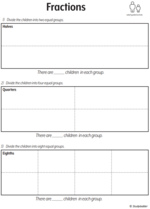
- Divide groups into fractions
- Printable
-
Extra activities
-
-
![]()
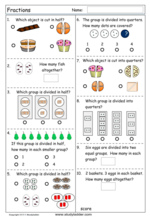
- Solving problems involving fractions
- Printable
-
-
-
![]()
- Solving problems involving fractions
- Printable
-
-
-
![]()
- Fractions
- Assessment
-
-
-
![]()
- Fractions Problem Solving
- Assessment
-
-
Identify fractions
- Activities: 6 course, 4 extra
-
-
![]()
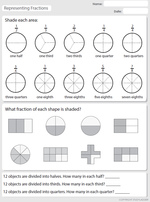
- Represent fractions using symbols
- Tutorial
-
-
-
![]()
- Represent fractions using symbols
- Practice
-
-
-
![]()
- Represent fractions using symbols
- Practice
-
-
-
![]()
- Identify simple fractions
- Practice
-
-
-
![]()
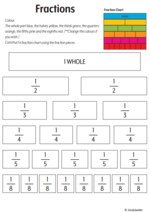
- Fractions Chart
- Printable
-
-
-
![]()
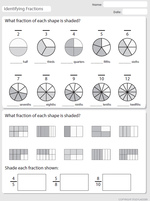
- Identifying Fractions
- Tutorial
-
Extra activities
-
-
![]()
- Represent fractions using symbols
- Printable
-
-
-
![]()
- Identify fractions
- Printable
-
-
-
![]()
- Identifying fractions tutorial
- Tutorial
-
-
-
![]()
- Identifying fractions
- Practice
-
-
-
5 learning outcomes – click to view